Intercom – the complete guide to choosing the right system for your helmet and your riding
A modern motorcycle intercom is more than communication. It is a tool that makes riding safer, easier and more controlled. The right system provides clear navigation, stable group communication, high‑quality audio, long battery life and a riding experience where you never need to take your hands off the handlebars or your eyes off the road. This guide covers everything you need to know – from Bluetooth vs Mesh, real‑world range, audio quality and installation to legality, battery performance and helmet compatibility.
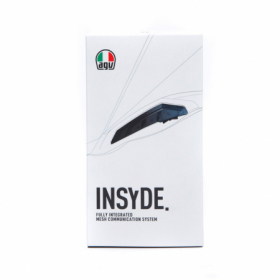
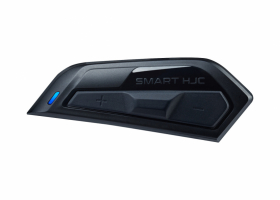
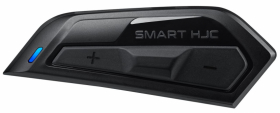
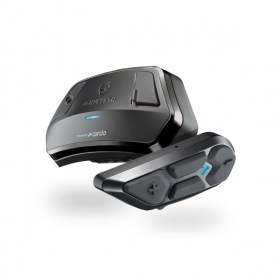
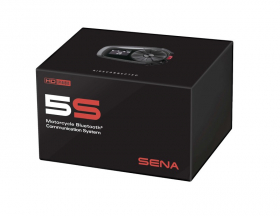
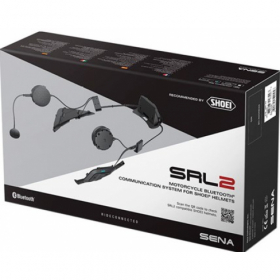
We focus on the two leading manufacturers on the market: Cardo and Sena. These are industry standards used by riders worldwide. We also cover helmet‑specific systems such as Shoei SRL, Schuberth SC, AGV INSYDE and SMART HJC, which are almost exclusively produced by Sena or Cardo and fully integrated into the helmet’s design.
Bluetooth vs Mesh – which technology suits your riding?
Bluetooth is perfect for solo riders and passengers. It is simple, stable and excellent for navigation, music and phone calls. Bluetooth intercoms connect units in a chain. The downside is that the chain breaks if someone falls behind or if the terrain is obstructed.
Mesh is the most advanced technology for group riding. The system creates a dynamic network where all riders stay connected. If someone drops back, overtakes or disappears behind a curve, Mesh automatically adjusts communication without needing to re‑pair the units. Cardo DMC and Sena Mesh are the two most stable Mesh systems on the market.
Mesh consumes more battery than Bluetooth because the technology requires more processing and constant scanning. But for group riding, Mesh is superior – both in stability and range.
Real‑world range – not just what’s printed on the box
Manufacturer range claims (e.g., 1.6 km) apply only in perfect line‑of‑sight conditions. In real riding, range is affected by terrain, forests, tunnels, buildings and weather. Heavy rain, fog and snow can reduce signal slightly, but physical obstacles matter most.
Mesh has a unique advantage: each rider acts as a relay. If five riders ride in a line, the total practical range from first to last can be several kilometres. Bluetooth does not offer this.
Intercoms work perfectly in tunnels because they do not rely on mobile networks or satellites.
Audio quality – JBL, Harman Kardon and advanced noise reduction
Audio is one of the most important aspects of an intercom. Cardo uses JBL speakers, while Sena offers Harman Kardon audio. Both deliver clear sound even at highway speeds. Premium systems use digital noise reduction (DSP) to filter wind and engine noise.
Automatic volume adjustment is standard. The intercom increases volume automatically when noise levels rise, such as during acceleration or strong headwinds.
Many riders use filtered earplugs (e.g., Alpine MotoSafe). These remove harmful wind noise while allowing intercom audio to pass clearly.
Installation – helmet compatibility and mounting
Most universal intercoms fit 95% of all helmets. Mounting can be tricky on helmets with complex lower edges. Modern helmets often have speaker recesses, improving comfort and installation.
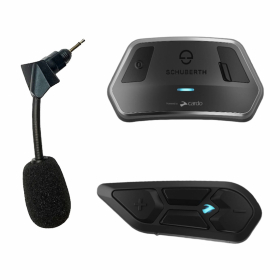
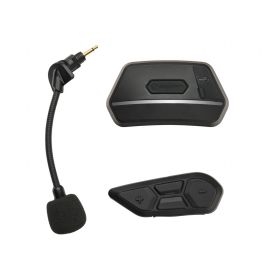
There are two microphone types:
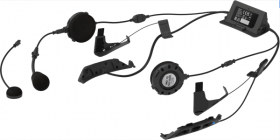
- Boom microphone: used in open‑face and flip‑up helmets.
- Wired microphone: used in full‑face helmets and mounted inside the chin bar.
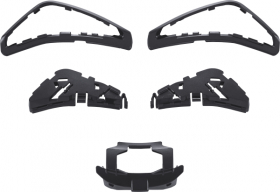
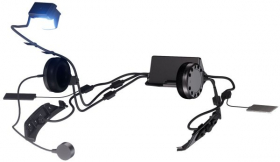
Helmet‑specific intercoms – such as Shoei SRL, Schuberth SC and AGV INSYDE – are fully integrated and offer perfect fit, zero added wind noise and a clean design.
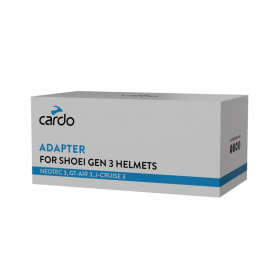
Universal intercoms can be moved between helmets. Extra mounting kits allow easy transfer of the main unit.
Battery life and charging
Most intercoms offer 10–15 hours of active talk time. Mesh consumes more battery than Bluetooth. Premium systems have several days of standby and support USB‑C fast charging. Full charging takes 1.5–2 hours.
You can charge the intercom while riding using a power bank in your jacket pocket. Ideal for long trips.
Batteries are usually built‑in and non‑replaceable. When the battery dies, the unit typically needs replacement.
Extreme cold affects battery capacity, just like smartphones. In freezing temperatures, battery life can drop significantly.
Voice control, apps and features
Voice control works best in English. Cardo uses “Hey Cardo”, Sena uses “Hey Sena”. You can also use Siri or Google Assistant by activating your phone’s voice control through the intercom.
Apps are used for:
- software updates (OTA)
- group management
- audio settings
- advanced feature control
Many models include FM radio, but reception is often weak on open roads. Most riders prefer streaming radio via their phone.
NFC pairing is available on some models and makes pairing extremely easy.
Legality and safety
It is legal to use intercoms while riding in most countries. There are no bans on helmet speakers or intercom communication as long as it does not distract the rider.
Intercoms do not block emergency sounds. Sirens and horns remain audible unless volume is extremely high.
Intercoms are excellent for rider training or riding with children, providing constant communication and safety.
Cost and brand choice
Entry‑level Bluetooth models start around £80–£120. Premium Mesh systems often range from £350 to £900 for a dual pack. Dual packs are popular because they are cheaper per unit and come pre‑paired.
Cardo and Sena are the two leading brands. Cardo excels in waterproofing and JBL audio. Sena excels in menu simplicity, integrated helmet partnerships and broad model range.
Frequently Asked Questions


 SEK
SEK NOK
NOK